
Introduction
Thinking about building a granny flat in your backyard? Good news: The rules have changed massively as of January 2026. The government has cut the red tape, making it easier, faster, and cheaper.
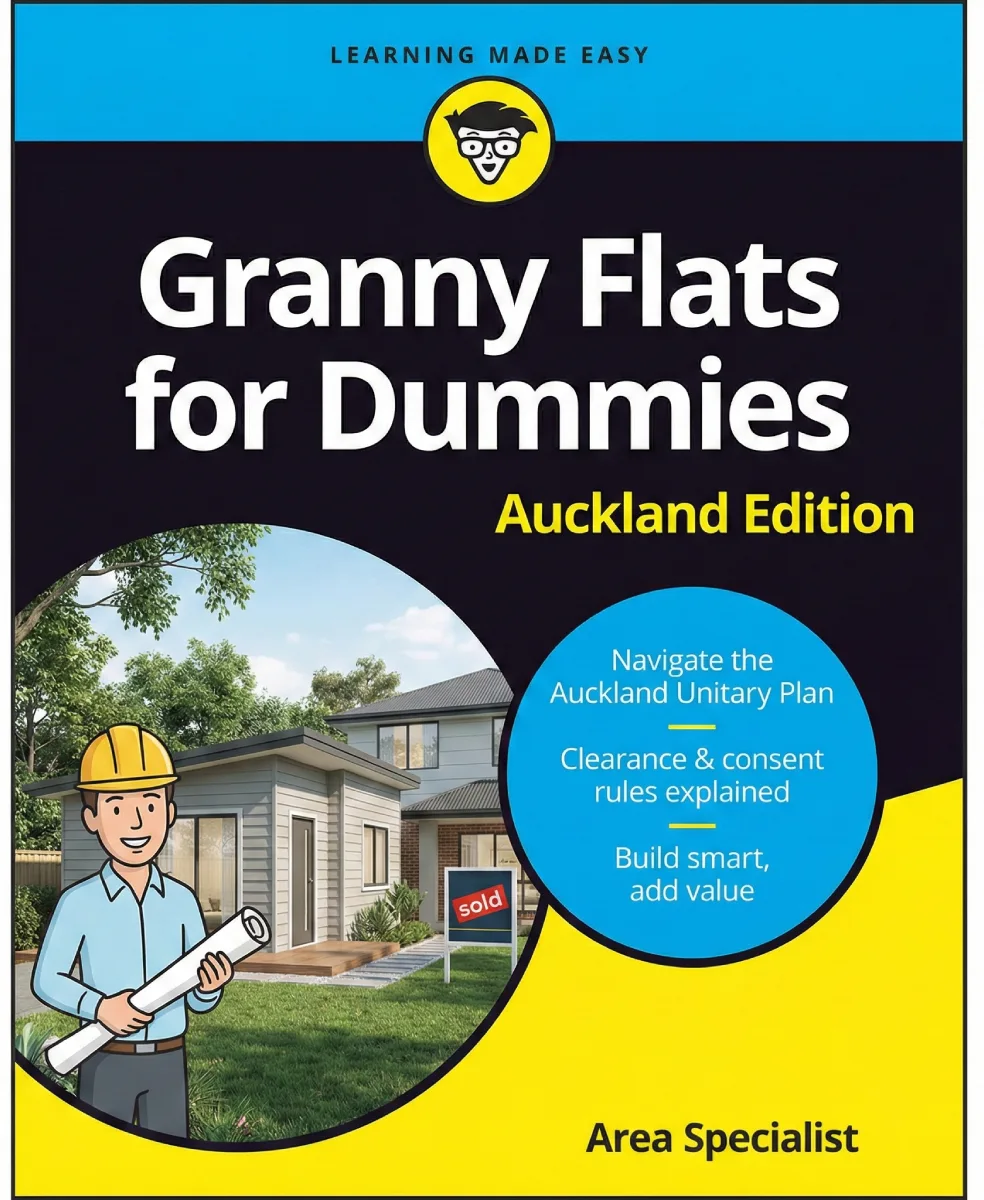
But reading government legislation is like chewing on drywall. So, here is the “Granny Flat Rules for Dummies” version. Simple, clear, and straight to the point.
The Big Headline: No Consents Needed (Mostly)
As of 15 January 2026, you do not need a Building Consent or Resource Consent to build a granny flat if you follow the “Simple Rules.”
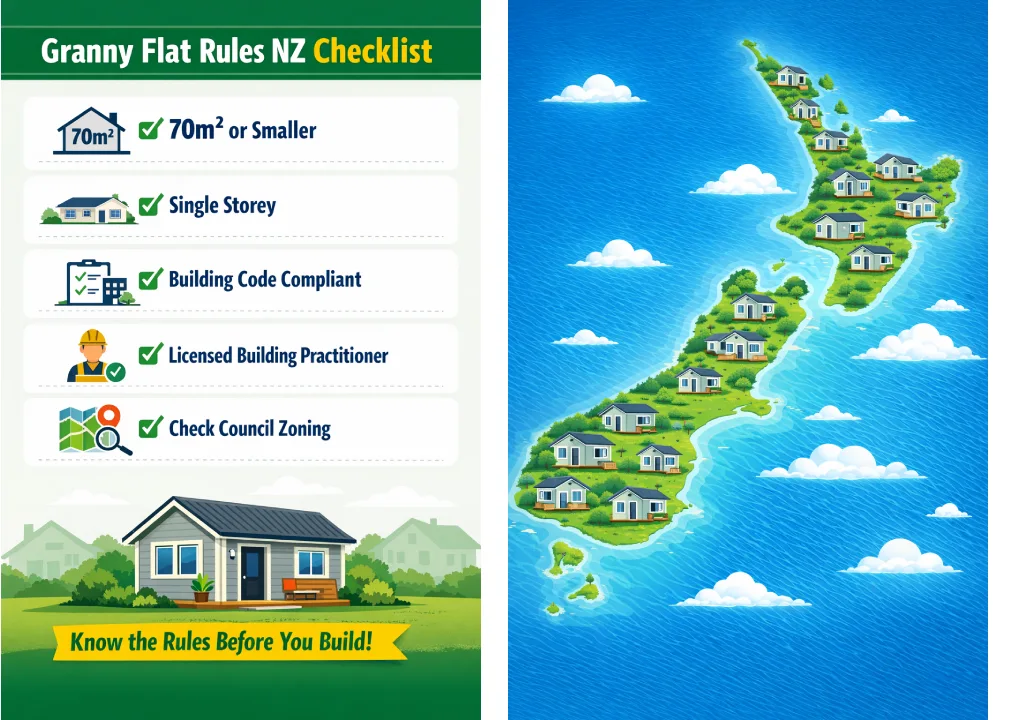
The “Simple Rules” Checklist
To skip the consents, your granny flat must tick these boxes:
• Size: It must be 70 square metres or less (this includes any internal garage).
• Height: Single storey only.
• Location: It must be standalone (detached from the main house).
• Distance: At least 2 metres away from your boundaries and other buildings.
• Facilities: Must have its own kitchen, bathroom, and toilet.
• Materials: Must use lightweight materials (e.g., timber or light steel framing, lightweight roof).
• Hazards: Cannot be built on land prone to flooding or natural hazards.
The “Must-Haves” (Don’t Skip These)
Even though you don’t need a consent, you can’t just grab a hammer and start swinging.
• You Need a Pro: The work must be done or supervised by a Licensed Building Practitioner (LBP). No DIY for the structural, plumbing, or electrical parts.
• You Must Notify the Council: Before you start, you have to send a Project Information to your local council. It’s a “heads up” form, not a permission slip.
• It Must Follow the Code: The building still has to meet the NZ Building Code (structurally sound, weathertight, fire safe, etc.).
You Still Might Need Resource Consent
Here’s where people get confused.
Even if you don’t need a building consent, you may still need a resource consent under the Resource Management Act.
This depends on:
• Zoning
• Density rules
• Site coverage limits
• Boundary setbacks
• Flood overlays
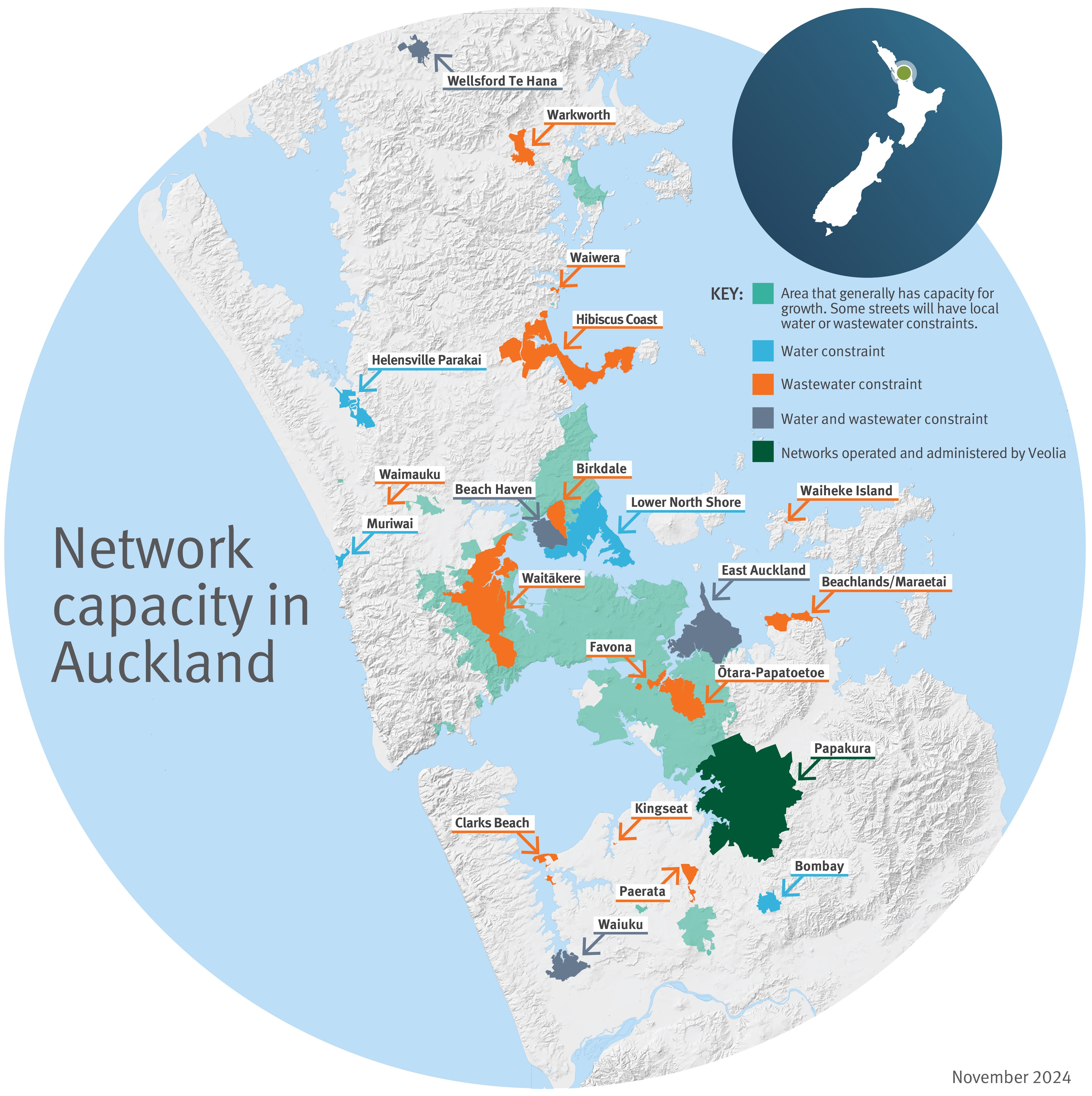
• Infrastructure capacity
For example, in Auckland under the Unitary Plan, many residential zones allow minor dwellings, but there are still restrictions around height, recession planes, and parking.
So the granny flat NZ rule is simple in theory but layered in practice.
How to Start (Step-by-Step)
Check your land: Ensure you aren’t in a flood zone or special heritage area.
Hire an LBP: Find a builder who knows the new 2026 exemption rules.
Submit Information: Send the notification form to your council (they have 10 days to process it).
Build: Let the pros do their work.
Finish: Send the council the final paperwork (Records of Work) so they can update their property files.
FAQs
Do I need building consent for a granny flat in NZ?
Not if it is 70m² or smaller and meets exemption criteria.
Do I still need resource consent?
Possibly. It depends on zoning and council rules.
Can I build a two-storey granny flat without consent?
No. The exemption only applies to single-storey dwellings.
Can I rent out my granny flat?
Yes, if it is legally compliant and meets Healthy Homes Standards.
Does a granny flat increase property value?
In many cases, yes — especially in high-demand areas.
Does It Affect Rates and Services?
Yes.
What About Cross-Lease Properties?
This is critical. If your property is: Cross-lease, Unit title, Shared driveway, Subject to body corporate rules. You may not be able to build a granny flat without: Legal agreement, Title changes and Neighbour consent. This is where many projects fall over.
Can I have a kitchen or kitchenette in a granny flat?
Yes. A granny flat can include a full kitchen or a kitchenette.
Can I include a bathroom in a granny flat?
Yes.
Do I need a minimum outdoor area for a granny flat?
This depends on your local council’s planning rules. Under national building exemption rules, there is no specific outdoor space requirement.
Does a granny flat need to meet Healthy Homes Standards?
If it is rented out — yes.
Does a granny flat fall under the Residential Tenancies Act if rented?
Yes.
About the Author
Area Specialist is a team of local Auckland property experts. We specialise in navigating the Auckland Unitary Plan to help homeowners unlock the potential of their properties.