Buying your first home is exciting, but the legal process can be confusing. This guide breaks down the conditional period in a Sale and Purchase Agreement so you know exactly what to do, when to do it, and who’s responsible. You’ll learn how to handle finance, building inspections, LIM reports, valuations and legal checks — and how to move to unconditional with confidence.
What the conditional period covers
During the conditional period you confirm:
Finance approval (the bank approves you and the property)
Building inspection (leaks, rot, unconsented works, structural issues)
LIM report (zoning, stormwater, flood overlays, outstanding consents)
Valuation (if required by your lender)
Title & legal checks (easements, covenants, cross-lease, shared driveways)
This window protects first home buyers. If something material is wrong and a condition isn’t satisfied in time, you can negotiate or cancel within the agreed rules.
How long it usually takes
Most agreements allow 5–10 working days.
Timeframes depend on inspector availability, council LIM processing, and your lender’s requirements. If you need more time, your lawyer can request an extension, but it must be agreed in writing before the deadline.
At a glance: steps, owners, days
| Step | Owner | Typical Days | Proof / Output |
|---|
| Finance approval | Buyer + Lender | 5–7 | Bank approval letter |
| Building inspection | Buyer | 5–10 | Inspector’s report |
| LIM report | Council/Lawyer | 7–10 | LIM PDF reviewed |
| Valuation (if required) | Buyer | 3–5 | Registered valuation |
| Title & contract checks | Lawyer | 2–5 | Title search & advice |
What happens during the period
Send the signed agreement to your lawyer and mortgage adviser immediately.
Confirm finance in writing. Pre-approval is not final approval; the bank must also accept the specific property.
Book a building inspector. Attend if possible. Ask for photos and a prioritised list: critical issues vs maintenance.
Order the LIM. Your lawyer will check drainage, flood overlays, zoning, and any unconsented work.
Arrange a valuation if your lender asks for one.
Title & legal checks. Your lawyer confirms boundaries, easements, covenants and cross-lease details.
Decide quickly if issues arise: negotiate repairs or a price change, or request more time.
Confirm in writing when each condition is satisfied. Once all are satisfied or waived, the agreement becomes unconditional and the deposit is usually payable.
Pro tip: Set calendar reminders 48 hours before each deadline. If you’ll miss a date, your lawyer must request an extension before the cutoff.
If conditions aren’t met
Negotiate: ask for repairs, a credit, or a price reduction.
Request an extension: only effective if the seller agrees in writing.
Cancel: if a condition isn’t satisfied and you’ve made genuine efforts, you can withdraw within the timeframe.
Once the agreement goes unconditional, both parties are legally bound to complete the sale. From there you finalise loan documents, arrange insurance, book the pre-settlement inspection, and prepare funds for settlement day.
Practical examples (Auckland)
Example 1: Minor moisture, negotiated credit
Offer: $850,000 with 7-day finance + building + LIM conditions.
Building report shows minor moisture around a bathroom.
Buyer negotiates a $3,000 credit and confirms unconditional after lender approval and a clear LIM.
Example 2: Valuation shortfall
Offer: $920,000; bank valuation comes in at $900,000.
Buyer either increases deposit, renegotiates the price, or cancels under the finance/valuation condition if no agreement is reached.
Example 3: LIM reveals stormwater easement
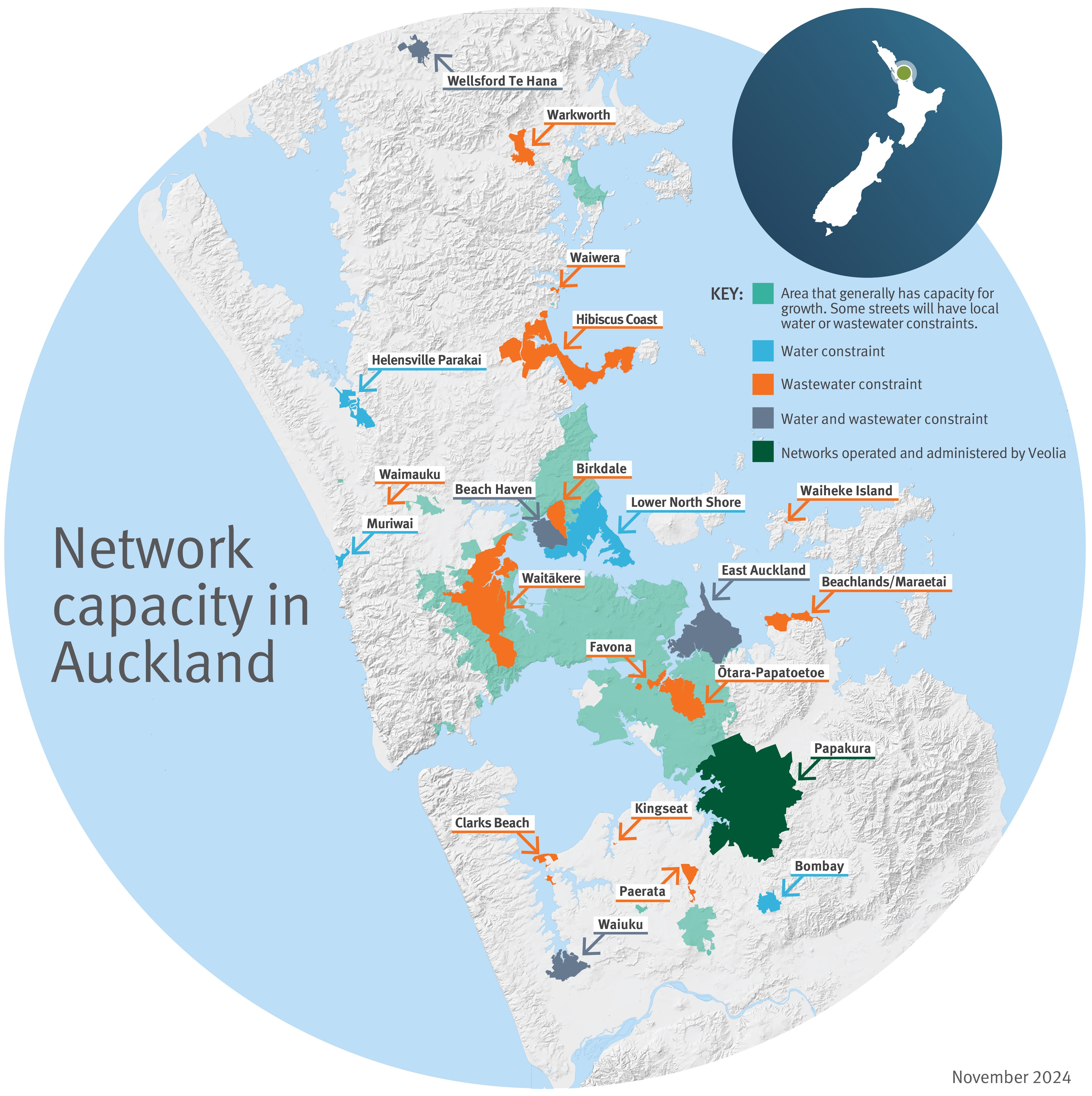
LIM shows stormwater infrastructure crossing the rear lawn in New Lynn.
Buyer discusses future landscaping limits with lawyer, is comfortable, and proceeds. If not comfortable, they can seek an extension to investigate further or cancel within the LIM condition.
Local notes for West Auckland buyers
In West Auckland suburbs like New Lynn, Glen Eden and Avondale, LIM timing and stormwater overlays can influence conditional dates. Some streets also include shared driveways and cross-lease titles which require extra legal review. Ask our New Lynn team for typical LIM turnaround times and what to prioritise on the report this month.
Area Specialist – Ray White Austar Realty, New Lynn, Auckland
Phone: 02 2600 2600 • Email: [email protected]
Key takeaways
The conditional period is your safety window to check finance, building, LIM, valuation and title.
Typical timeframe: 5–10 working days.
Put everything in writing and track deadlines.
Negotiate or cancel if a condition isn’t satisfied in time.
Once unconditional, you’re legally committed and the deposit is usually due.
FAQs
How long is the conditional period in NZ?
Usually 5–10 working days, depending on what you and the seller agree in the Sale and Purchase Agreement.
Can I cancel if my finance is declined?
Yes. If you’ve made genuine efforts and your finance condition isn’t satisfied by the deadline, you can cancel within the conditional period without penalty.
Is a LIM report necessary?
Strongly recommended. A LIM reveals council records like zoning, drainage, flood overlays and outstanding consents that affect risk and value.
What does going unconditional mean?
All conditions are satisfied or waived. The agreement becomes legally binding, and you proceed toward settlement.
What if the valuation is lower than my offer?
Discuss with your lender and lawyer. You can renegotiate price, add deposit, or cancel if protected by a valuation/finance condition.
Need help?
Want a second set of eyes on your Sale and Purchase Agreement or LIM?
Call Area Specialist – Ray White (New Lynn) on 02 2600 2600 or email [email protected] We help first home buyers navigate conditions and go unconditional with confidence.